 |
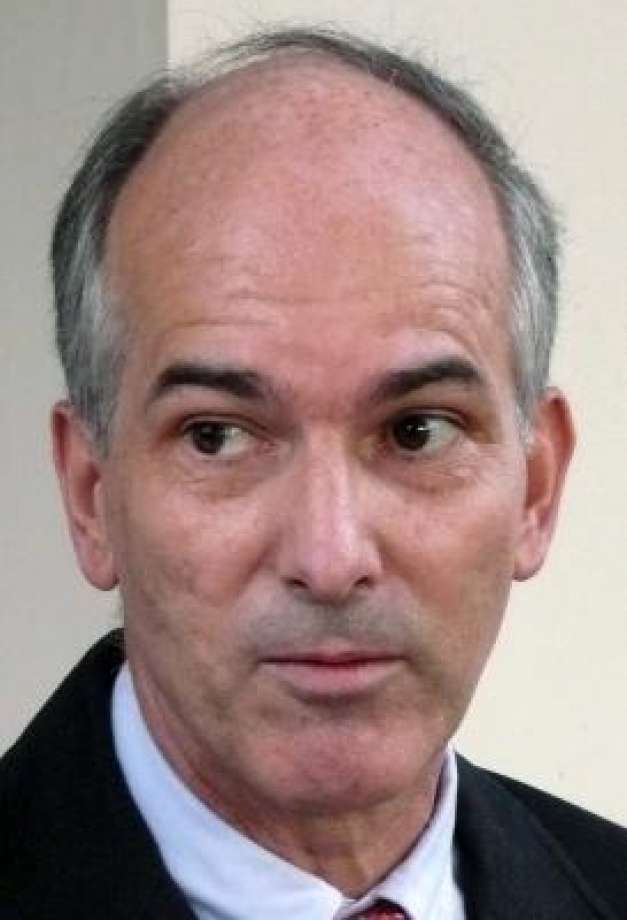
| Charles Petrie is sick of ASSK & Burma. |
No better proof could be needed of the extent to which authoritarianism has once again returned to Myanmar. This anti-democratic resurgence has an unlikely source: the Nobel Peace Prize laureate once reflexively referred to as a democracy "icon.”
It is increasingly apparent that the Myanmar military and its leader share with the de facto President Aung San Suu Kyi a similar vision for the future of the country. It is an age-old vision of domination by a nationalist Buddhist elite, who have difficulty accommodating any form of dissent, and demonstrate very little regard for the aspirations of the other ethnic groups with whom they should be negotiating an end to decades of armed conflict.
As a result, the hopes for democracy and peace in Myanmar are steadily unraveling — and the conditions for any quick return of the Rohingya increasingly becoming elusive. The main differences between the commander in chief of the armed forces, Senior General Min Aung Hlaing, and Aung San Suu Kyi, also known as “the Lady,” appear to have less to do with ideology than their desire for power.


